
Table Of Contents
-
How Influencer Marketing Is Rewriting the Rules of Brand Strategy
Introduction - What is Influencer Marketing?
- Why Influencer Marketing is Growing
- The Role of Authenticity in Influencer Marketing
- Types of Influencers Brands Can Work With
- Benefits of Influencer Marketing for Brands
- Platform-Based Influencer Strategies
- How to Choose the Right Influencer
- Common Influencer Marketing Mistakes to Avoid
- Measuring Influencer Marketing Success
- Future Trends in Influencer Marketing
- Conclusion
How Influencer Marketing Is Rewriting the Rules of Brand Strategy
Introduction
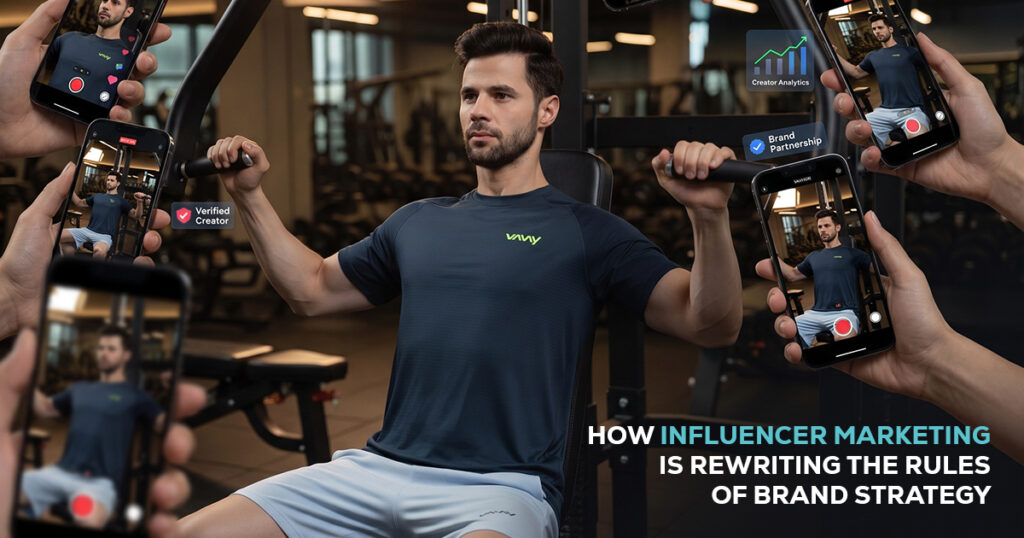
Scroll through any social feed today and you’ll notice something: the ads that actually stop your thumb rarely look like ads at all. They look like a friend recommending a skincare product, a fitness creator trying out new gear, or a foodie filming an honest reaction to a new restaurant. That shift from broadcast advertising to believable, people-first recommendations is the story of modern influencer marketing.
For brands trying to cut through the noise, an influencer marketing strategy is no longer a “nice-to-have” experiment sitting in a corner of the marketing budget. It has become a core growth lever, sitting right alongside SEO, paid media, and content marketing. At Patronus Marketing, we’ve watched this shift play out across industries from hospitality and F&B to fashion and education and the brands that treat influencer marketing as a strategic discipline, not a one-off campaign, are the ones pulling ahead.
This blog breaks down what influencer marketing really is, why it’s growing so fast, and how your brand can build a strategy around it that actually delivers results.
What is Influencer Marketing?
At its core, influencer marketing is a collaboration between a brand and an individual who has built a trusted, engaged following on social media. Instead of a brand speaking directly to a cold audience through a traditional ad, it borrows the credibility of a creator who already has that audience’s attention.
Social media influencer marketing works because it flips the direction of persuasion. Traditional advertising says “trust us, we’re the brand.” Influencer content says “trust me, I actually tried this” and that small shift in framing changes how people receive the message entirely. The influencer creates the content, shares their genuine (or brand-briefed) experience, and their followers engage with it the same way they’d engage with a recommendation from a friend.
It’s important to note that influencer marketing isn’t a single tactic it spans everything from a single sponsored Instagram post to multi-month brand ambassadorships, YouTube integrations, TikTok challenges, and affiliate-driven content.
Why Influencer Marketing is Growing
A few forces are converging to push influencer marketing from “emerging trend” to “essential strategy”:
- Trust in traditional advertising is declining. Consumers are more skeptical of polished, brand-produced ads and are actively tuning them out many even installing ad-blockers to avoid them altogether.
- Consumers want peer validation, not pitches. People are far more likely to trust a stranger’s honest opinion online than a brand’s own marketing copy, which is exactly the gap influencers fill.
- Platforms reward creator content. Instagram, TikTok, and YouTube algorithms are built to surface creator-led content, giving influencer posts organic reach that branded ads simply can’t match.
- It’s measurable and scalable. With the rise of influencer marketing platforms and analytics tools, brands can now track performance with the same rigor as any other digital channel.
- It fits the mobile-first, short-attention-span world. Influencer content is native to the platforms people already spend hours on daily, so there’s no friction in reaching them.
This is also why influencer marketing trends consistently show budgets shifting away from purely traditional formats and toward creator partnerships — brands are following the audience, not the other way around.
The Role of Authenticity in Influencer Marketing
Authenticity is the currency that makes influencer marketing work — and it’s also the thing that’s hardest to fake. When an influencer genuinely uses and believes in a product, that comes through in tone, delivery, and detail. When it doesn’t, audiences notice almost instantly.
A few things drive authenticity in a partnership:
- Alignment of values between the influencer and the brand, not just audience size
- Creative freedom given to the influencer to tell the story in their own voice
- Transparent disclosure of paid partnerships (using #ad, #sponsored, or verbal mentions)
- Consistency over time one-off posts feel transactional, while ongoing partnerships feel like a genuine relationship
Brands that chase reach over relevance often end up with campaigns that look right on paper but fail to convert, simply because the audience can sense the disconnect. At Patronus, we treat authenticity as a filter applied at every stage — from influencer shortlisting to content approval — rather than a box to tick at the end.
Types of Influencers Brands Can Work With
Not every influencer partnership needs a celebrity price tag. In fact, some of the strongest results come from smaller, more focused creators. Here’s how the landscape typically breaks down:
- Mega/Celebrity influencers (1M+ followers): Best for mass brand awareness and cultural relevance, at a premium cost.
- Macro-influencers (100K–1M followers): Strong reach with a still-identifiable niche, useful for broader campaign visibility.
- Micro-influencers (10K–100K followers): Higher engagement rates and stronger community trust, ideal for targeted, conversion-focused campaigns.
- Nano-influencers (1K–10K followers): Hyper-local or hyper-niche audiences with intensely loyal followers often the most cost-effective for authentic word-of-mouth.
The right mix depends on your goals. A launch campaign might lean on macro or mega reach for visibility, while an always-on influencer marketing strategy might rely heavily on a network of micro and nano creators for sustained, believable presence.
Benefits of Influencer Marketing for Brands
When executed well, influencer marketing delivers value across the entire funnel:
- Brand awareness: Tap into audiences you couldn’t reach organically or affordably through paid media alone.
- Trust and credibility: Borrowed trust from a creator accelerates the audience’s willingness to consider your brand.
- Higher engagement: Creator content typically sees stronger likes, comments, and shares than standard brand posts.
- Better targeting: Choosing the right niche influencer often beats broad demographic targeting on ad platforms.
- SEO and content value: Influencer content generates backlinks, mentions, and search visibility, feeding into a wider content-driven marketing
- Cost efficiency: Especially with micro and nano creators, the cost-per-engagement often outperforms traditional advertising.
- Agility: Influencer campaigns can be planned and launched faster than large-scale traditional campaigns, letting brands respond quickly to trends or moments.
Platform-Based Influencer Strategies
Not every platform serves the same purpose, and a smart influencer strategy adapts content and creator choice accordingly:
- Instagram: Best for lifestyle, fashion, food, and travel brands — Reels and Stories drive discovery, while feed posts build long-term brand presence.
- YouTube: Ideal for in-depth reviews, tutorials, and unboxings where longer-form storytelling builds deeper trust.
- TikTok: The go-to platform for trend-driven, fast-moving campaigns and Gen Z engagement, especially through challenges and native-feeling content.
- LinkedIn: Increasingly relevant for B2B brands working with thought-leader influencers and industry experts.
- Live shopping (Instagram/TikTok): A growing format where influencers sell directly during live sessions, blending content and commerce.
A strong social media influencer marketing plan doesn’t just pick one platform it maps the right creator and content format to where a brand’s specific audience actually spends their time.
How to Choose the Right Influencer
Choosing an influencer is where most campaigns succeed or fail. Follow structured criteria rather than gut instinct:
- Define your objective first awareness, engagement, leads, or direct sales all call for different influencer profiles.
- Check audience overlap, not just follower count, does their audience match your target customer in age, location, and interest?
- Evaluate engagement quality, not just engagement rate, genuine comments and conversation matter more than passive likes.
- Review past brand collaborations to check for consistency, professionalism, and any conflicts with competitors.
- Assess content quality and tone to confirm it fits your brand’s visual and voice identity.
- Ask for performance data from previous campaigns where available, including click-through and conversion metrics.
This is exactly where a specialist team adds value at Patronus Marketing, vetting influencers against brand fit and audience data is a standard part of building any influencer marketing strategy, rather than an afterthought.
Common Influencer Marketing Mistakes to Avoid
Even well-funded campaigns can underperform when brands fall into avoidable traps:
- Chasing follower count over relevance, leading to reach without real engagement
- Over-scripting content, which strips away the authenticity that made the influencer effective in the first place
- Ignoring disclosure requirements, risking regulatory issues and consumer trust
- Treating it as a one-off transaction instead of building longer-term relationships
- Skipping clear briefs and objectives, leaving both sides unclear on what success looks like
- Failing to measure beyond vanity metrics, missing the real business impact of the campaign
- Not vetting for fake followers or bots, which quietly inflates costs without adding value
Measuring Influencer Marketing Success
Influencer marketing can be measured with the same discipline as any other digital channel, provided the right KPIs are set upfront:
- Awareness metrics: reach, impressions, follower growth, and brand mentions
- Engagement metrics: likes, comments, shares, saves, and watch time
- Conversion metrics: click-throughs, promo code redemptions, and direct sales attributed to the campaign
- Brand sentiment: the tone and content of audience comments and reactions
- Content value: the ongoing usability of influencer-generated content across the brand’s own channels
The key is connecting these metrics back to the original campaign objective. A brand-awareness campaign shouldn’t be judged purely on immediate sales, just as a conversion-focused campaign shouldn’t be judged solely on impressions.
Future Trends in Influencer Marketing
The influencer landscape keeps evolving, and a few directions stand out for the years ahead:
- AI in influencer marketing is reshaping how brands find, vet, and even collaborate with creators. AI-powered platforms can now match brands to influencers based on audience data, predict campaign performance, and flag fraudulent engagement, while AI-generated virtual influencers are emerging as an entirely new category of brand ambassador.
- Long-term partnerships over one-off posts, as brands recognize that sustained relationships build more credible, consistent brand association.
- Performance-based compensation, shifting influencer pay toward results like clicks, conversions, and sales rather than flat fees.
- Live shopping and shoppable content, merging influencer storytelling directly with the point of purchase.
- Continued rise of micro and nano creators, as brands prioritize trust and niche relevance over sheer scale.
- Greater regulatory scrutiny, pushing brands toward more transparent, consistent disclosure practices.
Together, these trends point to an influencer ecosystem that’s becoming more data-driven, more integrated with commerce, and thanks to AI more efficient to plan and manage at scale.
Conclusion
Influencer marketing continues to shape how brands build trust, engage audiences, and drive sustainable growth. The right strategy combines authentic creator partnerships with data-driven decision-making to deliver measurable results. If you’re looking for a social media marketing agency in Mumbai that creates impactful influencer campaigns and growth-focused marketing strategies, Patronus Marketing is ready to help your brand achieve long-term success.